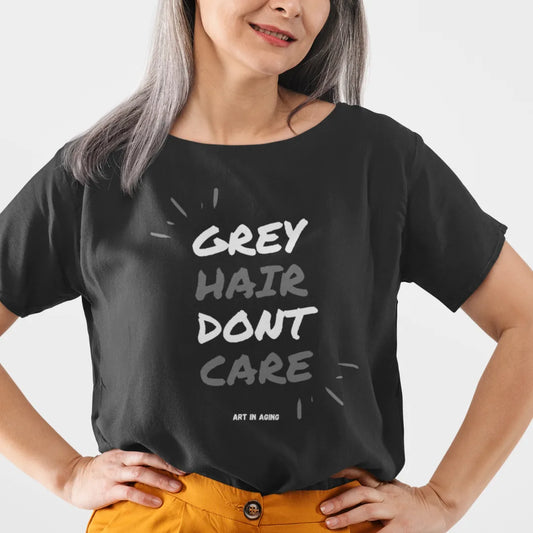
You've heard it all by now. Grey hair will age you. Grey hair needs special shampoo or it'll turn yellow. You can't pull off grey hair without the right skin tone. Stress turns your hair grey overnight. Your hair will fall out during the transition. And the big one: going grey is either a brave statement or a sign you've given up—there's no in-between.
Most of this is nonsense. Some of it is half-true. And a few claims have just enough scientific backing to sound credible while missing the actual point entirely.
If you're thinking about ditching the dye or you're already a few months into your grey hair timeline, you deserve to know what's actually fact and what's marketing dressed up as advice. Let's sort through the noise.
Myth #1: Grey Hair Makes You Look Automatically Older
This one persists because it contains a grain of truth, and then people build a whole mythology around that grain. Yes, grey hair is associated with aging—because it literally is a sign that you're aging. Your hair loses pigment. That's what happens. But association with aging and actually making you look older are different things.
The real variable here is maintenance and styling. Grey hair that's dry, dull, and poorly cut will read as neglected, which can feel aging. But so does any hair in that condition. Meanwhile, shiny, well-maintained grey hair with a flattering cut and color can absolutely make you look younger than you did when you were desperately trying to cover your roots every six weeks. There's a reason the silver sister movement has gained momentum—plenty of women have discovered they look and feel better with silver hair than they ever did with box color.
The thing that actually changes how grey hair photographs or appears in person is your confidence in wearing it. That's not mystical. It's just how humans read other humans. A woman in her fifties who's decided to own her grey hair walks differently than someone who feels like she's fighting a losing battle against her appearance. People notice that, consciously or not.
Myth #2: You Need Expensive Purple Shampoo or Your Grey Hair Will Turn Yellow
Purple shampoo is a real product that does a real thing: it deposits small amounts of violet pigment to counteract yellow tones. And yes, grey hair can pick up yellow from environmental factors—chlorine, pollution, product buildup, and heat styling can all contribute to yellowing over time.
What's not true: you must use purple shampoo or your hair will immediately turn brassy and look terrible. Many women with grey hair never use purple shampoo and have beautiful silver hair. Some use it occasionally. Some use it weekly. It depends entirely on your water quality, your styling routine, your environment, and whether you personally notice or care about any yellowing.
The best shampoo for grey hair is one that keeps your hair hydrated and clean. Purple shampoo is a tool you can reach for if you want to, not a requirement for having acceptable grey hair. Start with a gentle sulfate-free shampoo designed for color-treated or textured hair, see how your hair looks, and add purple shampoo into the rotation only if you feel it's making a visible difference you care about.
Myth #3: Stress Turns Hair Grey Overnight
The Marie Antoinette legend persists: she went grey overnight from stress during the French Revolution. It's a good story. It's also not how hair biology works.
Here's what actually happens: the cells in your hair follicles that produce melanin (pigment) gradually die off over time. This is determined by genetics. Stress doesn't speed up this cellular death. However—and this is where the myth gets a toehold—extreme stress can cause a condition called telogen effluvium, where large numbers of hair follicles prematurely enter the shedding phase. If you already had some grey hairs mixed in with your pigmented hair, and you suddenly shed a bunch of pigmented hair due to stress, you'd notice more grey showing. That's not the hair turning grey; that's the pigmented hair falling out.
Could stress contribute to the timing of when you notice your grey hair more prominently? Possibly. But it's not turning your hair grey. Your genetics and age are already doing that, quietly, whether you notice it or not.
Myth #4: Only Certain Skin Tones Can Wear Grey Hair
This is a favorite of beauty influencers because it sounds authoritative and makes people feel like they need expert guidance. In reality, grey hair looks good on every skin tone. What changes is the specific shade of grey and the styling choices that complement your particular coloring—the same way any color does.
A person with deep brown skin might wear a cooler, silver-toned grey beautifully. Someone with fair, cool undertones might also wear that same grey beautifully, or might prefer a warmer taupe-grey. It's not that one option is forbidden; it's that there are multiple options, and personal preference matters more than any rule.
The real consideration is contrast. If your skin has warm undertones, pairing it with warm greys or adding warmth through your clothing and makeup creates harmony. If your skin is cool-toned, cooler greys often feel natural. But these are guidelines, not laws. When in doubt, look at what to wear with grey hair that appeals to you, try it, and see how it makes you feel. That feeling matters more than color theory.
Myth #5: Your Hair Will Be Unmanageable or Wiry During the Transition
Some hair does get wirer or coarser as it transitions to grey—and some doesn't. This is down to genetics and individual hair texture, not something that happens to everyone equally. A few women experience texture changes; many don't notice any difference.
What does happen to everyone: the transition period has a two-tone aesthetic. You'll have roots that are grey and hair that's dyed, or roots that are your natural dark color and dyed-out ends. This looks intentional or messy depending on how you style it, how often you trim, and what you're doing with color. If you're doing a transition to grey hair, getting regular trims (every 4-6 weeks) makes a huge difference in how polished you look. It's not about manageability; it's about maintenance. That's different.
And yes, if your hair is very dry or damaged from years of coloring, it might feel coarser in the transition phase. That's because it's damaged, not because of the grey hair itself. Good conditioning and possibly a deep-moisture treatment or two will help. But the solution isn't to dye your hair—it's to address the dryness.
Myth #6: Going Grey Means Giving Up on Your Appearance
This myth does the most damage because it conflates abandoning hair dye with abandoning self-care entirely. They're not the same thing. Not even close.
A woman who stops dyeing her hair but gets regular cuts, uses good products, and styles her hair intentionally is engaging in self-care. A woman who stops dyeing her hair and also stops brushing it and wears the same unwashed sweatshirt every day is neglecting herself—but the problem isn't the grey hair; it's the neglect.
The women in the silver sister community who look vibrant and put-together with their grey hair aren't magic. They're washing their hair, getting it cut, thinking about what clothes and makeup work with their coloring, and generally treating themselves like they matter. The grey hair is just the canvas they chose to work with. Ironically, many of them report spending less time on hair maintenance once they stopped dyeing—no more root touch-ups, no more color appointments. They reclaimed time and money and redirected it toward other things that make them feel good.
What's Actually True: Three Things That Matter
Your grey hair will have different moisture needs than dyed hair. Dyed hair is treated hair, and treated hair is often drier. Your natural grey hair might need different hydration than you're used to giving it. This is solvable with the right grey hair shampoo and conditioner, but it's worth knowing upfront.
The transition phase is real and requires patience. You will have a period of time where your roots and lengths are different colors. Some women embrace this as an ombré or tortoiseshell effect. Others find it annoying. What to expect going grey includes this phase lasting anywhere from a few months to a couple of years, depending on your hair length and how fast your hair grows. Regular trims help. So does adjusting your expectations about looking polished during this time.
Grey hair looks its best when it's well-maintained. This doesn't mean expensive. It means clean, hydrated, regularly trimmed, and styled in a way that feels intentional. Exactly like every other type of hair.
Actionable Takeaways
- If you're considering going grey, ignore the "you must have X skin tone or X hair texture" rules. Start with your stylist—someone who knows your hair and listens to what you want.
- Don't buy purple shampoo until you actually see yellowing and decide you care about it. You might not need it at all.
- Plan for the transition phase by scheduling regular trims (every 4-6 weeks) and accepting that you'll have a two-tone look for a while. This is normal.
- Invest in a good moisturizing shampoo and conditioner designed for grey or mature hair. This matters more than any specialized product.
- Recognize that the effort you put into styling grey hair is effort you're choosing to put into it, not effort you've been forced to abandon. You're in control.
- Look around at women over 50 with grey hair you admire. Notice what they're actually doing—the haircut, the styling, the attitude. Steal from them.
The most reliable fact about grey hair is that it's whatever you decide it is. Not a surrender, not a statement, not a tragedy or a triumph—just your hair, doing what it does, in the color it grew in. The opinions about it tell you much more about whoever's talking than they tell you about your hair. When you stop waiting for permission to just have grey hair