Silver Is the New Black: Why More Women Are Embracing Grey Hair
Something shifted. For decades, grey hair was something to cover — a sign of aging to be managed, hidden, and apologized for with every salon visit. Then, quietly at first and now very loudly, a generation of women decided to stop.
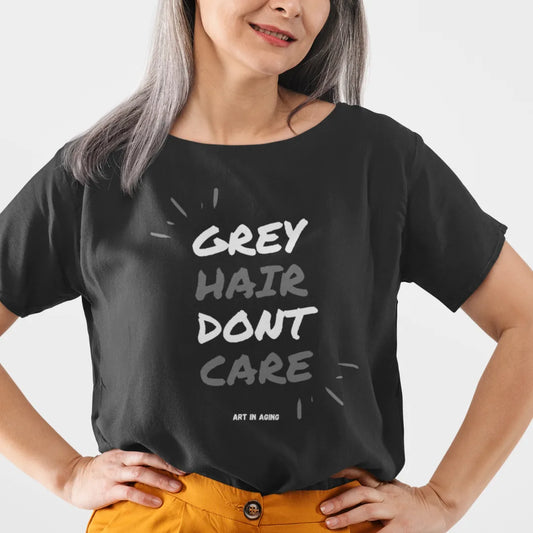
Silver is the new black. Not as a trend, not as a statement, but as a choice. And it's worth understanding what's driving it — and what it actually takes to wear your grey with intention.
The Cultural Shift
The grey hair movement didn't start with celebrities going silver on red carpets, though that helped. It started in living rooms and Instagram grids, where ordinary women documented their transitions — growing out dye, discovering their natural color for the first time in decades, and finding communities of women doing the same thing.
The hashtag #silversisters has millions of posts. The #grombre tag (grey + ombre, coined for the transition look) spawned a community. Pinterest boards dedicated to silver hair styles get millions of saves. This is not a niche.
What's driving it:
- The economics of color maintenance. Salon color every 4–6 weeks costs $1,500–$4,000+ per year. For women who've been doing it for 20 years, the math eventually becomes obvious.
- The pandemic reset. Salons closed. Women saw their natural color for the first time. Many liked what they saw, or at least found the prospect of going back to maintenance dyeing less appealing than before.
- The Instagram effect. Silver hair photographs beautifully. The contrast, the shimmer, the way it catches light — it looks striking in a way that mousy brown does not. Seeing it celebrated online changed how women thought about their own.
- A broader age-positive movement. Grey hair going natural is part of a larger cultural recalibration around aging — the rejection of the idea that getting older is something to hide rather than embody.
The Transition: What to Expect
Going grey is not instant. If you've been coloring your hair, the transition takes time — usually 12–24 months for most lengths, longer for very long hair. Here's what the process actually looks like:
The Grow-Out Phase
The hardest part psychologically. You'll have a line of demarcation between your natural grey and your colored ends. Options:
- Cold turkey: Stop coloring, let it grow, trim regularly to remove the colored ends. Takes patience but is the most straightforward path.
- Blending: Ask your colorist to add highlights or lowlights that blend the demarcation line and make the grow-out less harsh. Costs money but makes the transition more gradual.
- The big chop: Cut your hair shorter to remove most of the colored length faster. Speeds up the process significantly.
Grey Hair Has Different Needs
Natural grey and silver hair is structurally different from pigmented hair. It tends to be:
- Coarser in texture
- Drier and more porous
- More prone to frizz
- Susceptible to yellow and brassy tones from environmental factors
This means your hair care routine needs to adapt. A good purple or violet toning shampoo (used 1–2 times per week, not daily) handles brassiness. A rich conditioner or weekly deep conditioning treatment addresses dryness. Anti-frizz products that don't weigh hair down become more important.
Styling Silver Hair
Silver hair is forgiving in some ways and unforgiving in others. The good news: it looks striking in almost any cut. The challenge: yellowing and brassiness are visible in a way they aren't with pigmented hair, so maintenance matters more.
Cuts That Work
Silver hair tends to look best with cuts that have shape and movement. Blunt bobs, layered cuts that remove bulk, and pixie cuts all photograph beautifully. Very long silver hair is also striking when well-maintained. The middle ground — shoulder-length, one-length, no real style — tends to look flatter because the color is subtle enough that the cut has to do more work.
Color Within the Grey
Not all grey is the same color. Silver, white, salt-and-pepper, cool ash grey, warm grey, gunmetal — the range is enormous. Understanding your specific color helps with styling. Warm greys look beautiful with warm-toned clothing and makeup. Cool silvers and whites look stunning with high-contrast neutrals: black, white, navy, deep burgundy.
The Community
One of the unexpected gifts of going grey is finding a community. The silver sisters movement — women at various stages of their grey journey — is active, warm, and genuinely helpful. The questions that feel embarrassing to ask elsewhere ("How do I handle the two-tone look?", "Is my grey actually flattering?", "What do I say when people ask why I stopped coloring?") get answered honestly by women who've been through it.
Art in Aging was built around this community — women 50+ who are done apologizing for getting older and are figuring out what it actually looks like to age on their own terms. The grey hair conversation is part of that, but only part.
Join the Silver Sisters movement →
Is Silver Right for You?
Only you know the answer. But the question worth asking isn't "will grey hair make me look older?" — it's "will grey hair make me look like myself?" For a growing number of women, the answer to the second question is yes.
Silver is not a resignation. It's a choice. And like any choice made deliberately, it tends to look better than one made out of habit or obligation.
The Silver Sister Community
Ready for more than blog posts?
This is the room where hundreds of women talk about exactly this — going grey, positive aging, and life on the other side of the dye job. Weekly lives, member stories, and real conversations.
See what's inside → Founding membership: $27/month