Why "Anti-Aging" Is Quietly Dying — and What's Replacing It
"Anti-aging" had a hell of a run. Forty years of creams, serums, dye, surgery, and shame — all selling the same product, which was the promise that getting older could be canceled if you spent enough money and felt bad enough about yourself.
It's dying. Slowly, then quickly. And the thing replacing it is more interesting than another product.
The first cracks
You can mark the beginning by the language. Major beauty brands started quietly removing the phrase "anti-aging" from their packaging around 2018. Allure magazine made an editorial decision to stop using it. The skincare industry pivoted to "longevity" and "skin health" and "barrier care." None of those phrases require you to be at war with your own face.
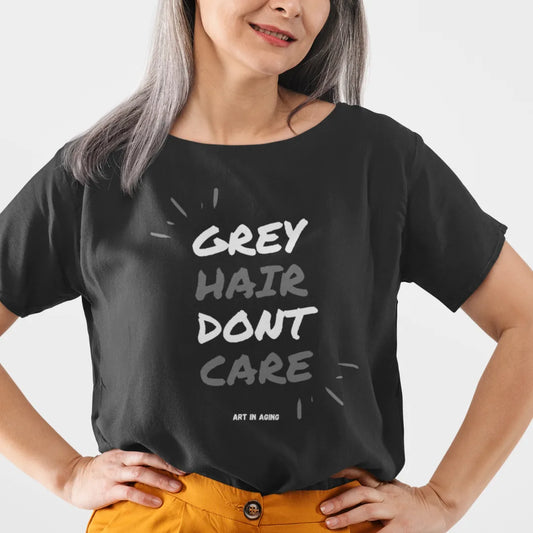
Around the same time, women started letting their grey hair come in. Not three or four women — millions of them. The grey-hair influencers who got popular during the pandemic weren't selling a product. They were selling a permission slip. And the permission slip turned out to be worth more than any cream.
What "pro-aging" actually is
"Pro-aging" sounds like a marketing term and mostly is. But underneath it there's something real, and it's worth saying plainly: it's the idea that getting older is a thing happening to you, not a thing being done to you. That you have a body. That the body is going to keep changing. That the only sane response is to take care of it rather than declare war on it.
Anti-aging treats the body as the enemy. Pro-aging treats the body as the partner you've had your whole life and finally noticed.
The difference shows up in tiny ways. You start asking does this feel good instead of does this make me look 35. You stop buying skincare in a panic. You start sleeping more. You drink water because you want to feel alive at 4pm, not because some algorithm said it would tighten your jawline.
It's not just about skincare
This is the part the beauty industry doesn't want you to notice. Pro-aging doesn't end at the bathroom counter. It eats the rest of your life.
It eats your closet. The "anti-aging" wardrobe — anything tight, anything stiff, anything that "smooths," anything "flattering" in the dishonest sense — starts to look like a uniform from a war you've decided to stop fighting. You start dressing in things that move with you instead of things that contour you. The shapewear comes off. The high heels come off. The clothes get more interesting because they're being chosen by a woman who's allowed to like things again.
It eats your hair. The salon visits stop. The grey comes in. Your face does something strange in the mirror — it relaxes. Because the part of you that was lying every six weeks finally gets to tell the truth.
It eats your friendships, your free time, your weekend plans. Anti-aging is a full-time job. Pro-aging gives you the job back.
The weird grief part
You're going to feel something strange in this transition. Most women describe it as a kind of grief. Not for getting older — for the years you spent fighting getting older. The Saturdays in salons. The money on creams that didn't work. The hours in front of the mirror auditing.
That grief is allowed. It's also the last move of the old paradigm. Sit with it for a week. Let yourself be a little sad about how much was stolen. Then put on a real outfit and walk outside. The grief lifts the moment your hair catches the light and you don't flinch.
What's actually replacing anti-aging
It's not a product. It's a posture. A way of standing in a body that has earned its years. A way of getting dressed that doesn't ask permission from a younger self. A way of being in a room without scanning for the nearest mirror.
The companies still selling you serums in pink jars are going to be fine for a while. But the women they used to scare are leaving. They're not having midlife crises. They're having reckonings, and one of the things they're reckoning with is the forty years they spent at war with their own face.
Anti-aging didn't die because people stopped caring about how they look. It died because people figured out that fighting time is the worst possible way to look good. The women who quit the fight are the ones who light up a room now. They're also, not coincidentally, the ones who finally got their Saturdays back.