The Midlife Color Reset: Why Your "Good Colors" Change After 50 (Especially If You're Going Grey)
You held onto the same "good colors" for thirty years. Maybe a stylist told you in 1998. Maybe it was a magazine quiz. Maybe your mother said you looked best in mustard and you've been buying mustard ever since.
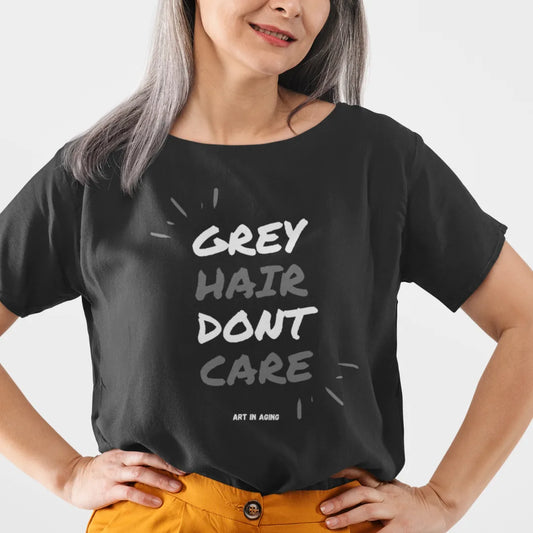
Then your hair started going silver. And one morning you put on the mustard sweater you've worn a hundred times — and it looked off. Tired. Like it was wearing you.
You're not imagining it. Your colors changed. They were going to.
What actually changed
When you go grey (or silver, or salt-and-pepper, or white), the framing around your face shifts cooler. The warm browns and reds and golds that used to glow against your old hair color stop having a partner. They sit on you like a mismatched outfit. Meanwhile, colors you might have written off years ago — cool blues, true reds, jewel tones, certain purples — suddenly do something they couldn't do before. They light you up.
It's not vanity to notice this. It's the same reason you'd repaint a room when you change the floors.
The colors that almost always work with silver hair
True jewel tones. Sapphire. Emerald. Ruby. Amethyst. These were made for silver framing. They look almost suspiciously good — like they were waiting for your hair to catch up.
Cool whites and bright whites. Not ivory, not cream — those tend to muddy against silver. Pure white. Snow.
Black, but only the right black. Black with blue or violet undertones, not black with brown. Hold the garment near your hair and see which one looks crisp.
Cool reds. Cherry, raspberry, true crimson. Tomato red and orange-leaning reds tend to fight silver hair. Cool reds embrace it.
Soft pastels with a cool undertone. Powder blue, lilac, dusty rose, mint. Especially around the face.
Charcoal and slate. A different language than warm browns and beiges. More architectural. Reads modern instead of nostalgic.
The colors that quietly stopped working
Most of the warm-toned beiges and browns. Camel. Khaki. Olive (sometimes — depends on the green). Mustard. Burnt orange. Anything yellow-leaning. Coral. Anything that essentially blends into the color of "skin in autumn light."
You don't have to throw any of it out. Just notice which pieces you've been reaching for less. Your hand knows before your head does.
Why this isn't about "looking younger"
People will tell you the new colors make you look younger. They don't, exactly. They make you look finished. Coordinated. Like the painting on the wall is in the right frame. There's a difference between dialing back the years and looking like you're at home in the years you have.
The second one is the goal. It always was.
How to reset without buying a new wardrobe
Start at the neckline. Color matters most within about 18 inches of your face. A new scarf, a new lipstick, a new pair of statement earrings can do more than a whole new wardrobe. Reset there first.
Let one piece teach you. Try on something in a true cool jewel tone. Look in the mirror. Then put on something in your old warm "good color." Compare. Your eye will tell you the truth in about three seconds.
Edit gently. Don't purge in a panic. Move the colors that aren't working anymore to a different part of the closet. Leave them there for a season. If you don't reach for them, you'll have your answer. (When you're ready, do a real wardrobe edit.)
Buy in your new range when you replace things. The next basic tee. The next lipstick. The next sweater you'd buy anyway. You don't have to flip your closet — you just have to stop refilling it from the old palette.
The strange part nobody warns you about
You'll start getting compliments from people who've known you for years. They won't be able to say what changed. They'll say you look really good or that color is so YOU — even though it's a color you've never worn before.
What they're picking up on is that the picture finally matches. Hair, clothes, face, all telling the same story. After three decades of dressing for someone you used to be, you're finally dressing for the woman in the mirror right now.
That's the reset. It's quieter than a makeover. It lasts longer than a haircut. And it's almost always the first thing women notice once they stop coloring their hair and finally let themselves see what they actually look like.