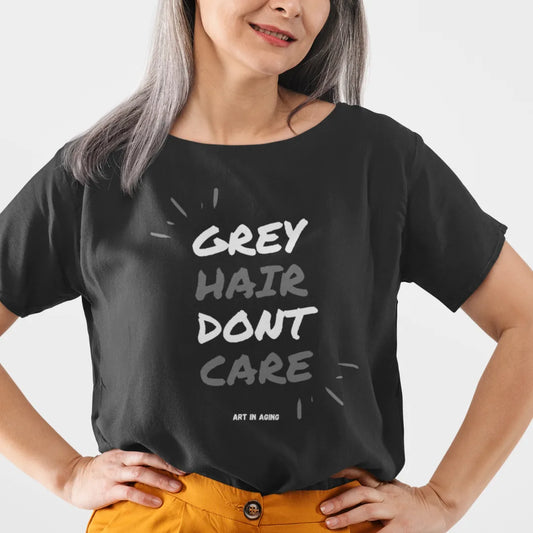
If you're watching your hair simultaneously turn silver and thin, you're not alone—and you're probably tired of the conflicting advice. Online forums promise miracle solutions. Your stylist hints at dye and volume-boosting treatments. Maybe you've even wondered if grey hair makes you look older, which only adds to the pressure. The truth is messier and more manageable than most sources admit: some greying and thinning are completely normal with age, some warrant a conversation with your doctor, and some respond beautifully to straightforward changes in how you care for your hair.
This article cuts through the noise. We'll walk through what's actually happening to your hair, how to tell if something needs medical attention, and which interventions genuinely work—not because they're trendy, but because they're backed by biology.
Why Your Hair Is Going Grey and Getting Thinner at the Same Time
Your hair follicles contain cells called melanocytes that produce melanin—the pigment that gives hair its color. As you age, these cells gradually stop working. They produce less melanin, and eventually, they stop producing it altogether. When melanin disappears, your hair grows in white; the combination of white and pigmented hairs reads as grey. This process is primarily determined by genetics. If your mother went grey at 40, odds are decent you will too. If your grandmother kept her color until 70, you might have more time. It's not something you caused, and it's not something most interventions can truly stop—though some can slow it marginally.
Hair thinning is a separate but related process. As you move through your 40s, 50s, and beyond, individual hair strands often become thinner and finer, and you may shed more of them. This happens for several interconnected reasons: declining estrogen (especially after menopause), changes in how long hairs stay in the growth phase, reduced protein synthesis in follicles, and shifting mineral and vitamin levels. Unlike greying, which is almost entirely genetic, thinning can be influenced by nutrition, stress, hormones, and scalp health. That's actually good news—it means you have real levers to pull.
The combination can feel like a double loss. You're not imagining it. But it's also worth separating the two issues mentally. Greying is cosmetic (unless you've decided it isn't, in which case that's a choice worth making consciously). Thinning can be both cosmetic and physiological, and the physiological part is worth addressing with intention.
Normal vs. Concerning: What Warrants a Doctor's Visit
A healthy scalp sheds 50 to 100 hairs per day. Yes, really. That's normal turnover. You'll notice it more if you have long hair or if you're paying attention, but it's not a problem. Similarly, going grey at 30, 40, or 50 is all within normal range—earlier greying can run in families, and it doesn't indicate disease or poor health.
What is worth mentioning to your doctor: sudden hair loss (as opposed to gradual thinning), patchy baldness, hair loss accompanied by scalp pain or itching, or loss combined with other symptoms like fatigue, weight changes, or temperature sensitivity. These can point to conditions like alopecia areata, thyroid dysfunction, iron deficiency, autoimmune disease, or nutritional deficiency—all of which are diagnosable and often treatable.
If you've experienced significant hormonal shifts (surgical menopause, changes in birth control, thyroid medication adjustments), that's worth mentioning too, even if the hair loss seems gradual. Hormones shape follicle behavior, and sometimes a simple change in treatment can help. Similarly, if you're on a medication you started around the time hair loss began, ask your pharmacist or doctor whether it's a known side effect. Some medications can trigger or accelerate shedding.
The threshold for "worth checking" is roughly this: if the amount of hair you're losing is visibly increasing, if you're seeing more scalp than before, or if the loss feels sudden rather than the slow fade of aging, get it evaluated. Peace of mind is worth the appointment.
Hair Care Fundamentals for Greying, Thinning Hair
Once you've ruled out medical causes, the next lever is how you treat your hair day-to-day. And this is where most advice fails—not because the advice is wrong, but because it's vague or overcomplicated. Here's what actually matters.
Shampooing and conditioning
Grey hair tends to be coarser and drier than pigmented hair (because it lacks the natural oils that melanin helps distribute). Thinning hair needs gentleness and hydration, not weight. You need a formula that cleans without stripping and moisturizes without flattening. This is where the best shampoo for grey hair actually makes a difference. Look for sulfate-free formulas—they're gentler. Condition primarily the mid-lengths and ends, not the scalp. If you have thinning hair, a lightweight conditioner or even skipping it at the roots will help your hair hold volume better.
How often you wash matters too. If you're washing daily, you're likely overdrying your hair and potentially triggering more oil production from your scalp. Aim for every other day or every third day if your scalp can tolerate it. On off days, use dry shampoo or a light mist of water to refresh styling without shampooing.
Heat and chemical protection
Heat damage makes thinning hair look thinner and grey hair look duller. If you blow-dry, use a heat protectant spray first. If you don't blow-dry, you're already ahead. Avoiding or minimizing heat isn't about vanity—it's about protecting hair that's already under physiological stress. Similarly, harsh chemical treatments (bleach, perms, relaxers) can accelerate breakage and make thinning more obvious. This doesn't mean never coloring or styling your hair. It means choosing your treatments carefully and spacing them out.
Nutrition and supplements
Hair health starts from the inside. Iron, zinc, B vitamins (especially B12 and folate), vitamin D, and protein are all central to hair growth and pigmentation. If you've had bloodwork done recently, ask to see your levels of these nutrients. If you're vegetarian or vegan, or if you've been dieting, deficiencies are more likely. A good multivitamin designed for eating well after 50 can help, but it's not a substitute for actual food. Protein at every meal matters—hair is made of keratin, which is a protein. Iron-rich foods (red meat, spinach, lentils), seafood, eggs, and nuts are your allies.
Biotin is heavily marketed for hair, and while biotin is involved in hair health, deficiency is rare. You likely get enough from food. That said, some women notice a difference with biotin supplementation. If you try it, give it at least three months—hair grows slowly, and supplements work on hair that's already in the growth phase, which means you won't see results overnight.
Styling Strategies for Thinning Grey Hair
Sometimes the most powerful tool is styling. A good cut can make thinning hair look noticeably fuller. Shorter lengths (collarbone and above) tend to look thicker than longer lengths because there's less weight pulling the hair down. Layering adds texture and movement, which creates the illusion of volume. And a stylist who understands thinning hair will cut in a way that works with your hair's natural behavior, not against it.
Grey hair can carry any color well, and you have genuine options: lean into the grey, blend it, go darker, go lighter, or add color for fun. None of these is "right"—it depends on your skin tone, your lifestyle, and whether you want to maintain it. What matters is choosing consciously. If you decide to dye your hair, use a ammonia-free or semi-permanent formula and invest in color-safe, sulfate-free products. If you decide to go grey, know that you're joining women who've decided their appearance is worth owning, not apologizing for.
Volume-building products exist: volumizing mousses, texturizing sprays, and root-lifting powders. They work temporarily and can be genuinely useful for event days or when you need a confidence boost. But they're not a long-term solution to thinning. Think of them as tools, not fixes.
When to Consider Medical Treatments
If thinning hair is significantly affecting your quality of life or if it's accelerating despite good nutrition and care, there are medical options worth discussing with a dermatologist. Minoxidil (Rogaine) is an over-the-counter topical treatment that can slow hair loss and sometimes regrow hair; it works better for some people than others, and you have to use it indefinitely for results to persist. Finasteride (Propecia) is a prescription pill originally developed for prostate health that can also help with hair loss in women, though it's not approved for female pattern baldness in all countries and works better for some than others.
These medications aren't magic, and they have side effects worth understanding. But if you're someone for whom hair loss is causing real distress, they're worth exploring with a doctor. Platelet-rich plasma (PRP) and other newer treatments exist too; they're pricier and evidence is still developing, so approach them with healthy skepticism.
The key is informed choice. If you decide to use a medical treatment, do it because you've weighed the pros and cons, not because you feel obligated.
What Actually Helps: The Honest Summary
Here's what the evidence supports: consistent, gentle hair care; adequate nutrition (especially protein, iron, and B vitamins); managing stress where you can; addressing any underlying medical issues; strategic haircuts; and making deliberate choices about color rather than defaulting to what you've always done. These are not exciting answers. They don't sell supplements or serums. But they work because they're aligned with how your hair actually functions.
You don't have to pretend that going grey and thinning hair is a gift or a journey or an opportunity. It's change, sometimes unwelcome, and it's okay to feel ambivalent about it. But you also don't have to treat it as a problem that needs solving through shame or expensive quick fixes. Most of what you can do is already within reach: choosing a good stylist, feeding yourself well, caring for your scalp, and deciding what you actually want your hair to look like—independent of what you're "supposed" to want.
If you're part of the silver sister community, you're already among people who've decided to stop accepting other people's scripts for how they should look. That same self-determination applies here. Tend to your hair with intention, make