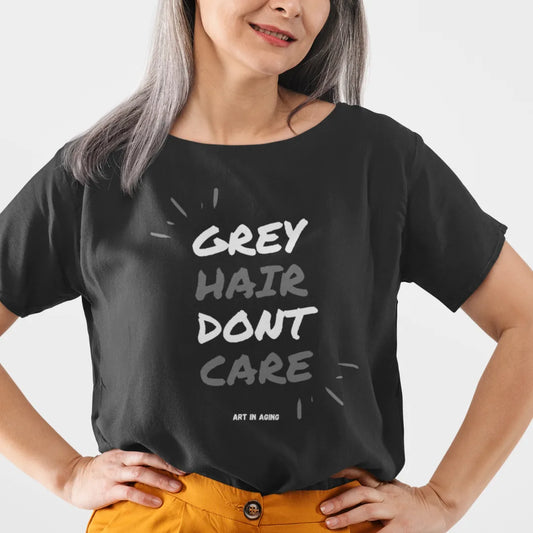
There's a particular kind of power in watching a woman walk into a room with silver hair and the confidence of someone who stopped asking permission years ago. It's not a new phenomenon—style icons have been rejecting the dye bottle for decades—but it feels like a reckoning is finally happening. The women who've chosen grey aren't trying to look younger. They're not "embracing their age" in that saccharine way that sounds like settling. They're simply refusing to apologize for what their hair naturally is, and in doing so, they've rewritten what it means to be stylish after fifty.
The shift is real. Fashion editors are taking notes. Street style photographers are seeking them out. And more importantly, women who spent decades assuming they had to dye their hair to remain relevant are realizing they actually have options—real, credible, undeniably chic options. If you're considering going grey but need proof that it can look genuinely good, not just "good for your age," these icons offer something better than permission. They offer a blueprint.
Jamie Lee Curtis: The Original Grey Hair Rebel
Jamie Lee Curtis didn't ease into grey hair. She went all in, all at once, and she did it in the 1990s when the very suggestion would have gotten a woman fired from most film roles. She was already an established actor, which helped, but it was still an audacious move. What made it work—what made it undeniable—was that she paired her silver hair with clothes and a demeanor that had zero apology baked in. Dark, tailored pieces. Clean lines. Confidence that read as earned rather than performed.
The lesson Curtis taught, whether intentionally or not, was this: grey hair doesn't need to be softened or feminized or paired with anything "age-appropriate." It can be paired with the same bold choices, structured silhouettes, and editorial sensibility that work for anyone at any age. She wore silver hair like she wore her career—unapologetically. When Hollywood finally caught up to the idea that women over fifty could still be taken seriously, Curtis had already been there for twenty years, proving it every single day.
What she demonstrates is that grey hair works beautifully with a strong personal style. If you tend toward minimalism, let your silver hair be the statement. If you prefer color and pattern, grey acts as a sophisticated anchor that keeps the whole look grounded. The point is that Curtis didn't change her entire aesthetic to accommodate her hair. She let her hair change and kept being herself.
Emmylou Harris: Proving Grey Works With Glamour
While Jamie Lee Curtis was taking the minimalist route, Emmylou Harris was simultaneously proving that grey hair could work beautifully with glamour, jewelry, and all the trappings of a polished aesthetic. Harris has been visibly grey since at least the 1990s, and her styling over the decades shows that silver hair isn't the enemy of femininity or luxury—it's actually a perfect complement to it.
What Harris understood was color theory. Warm metallics, jewel tones, and rich fabrics all have a way of making grey hair sing. She wears gold jewelry with the confidence of someone who knows that metals actually matter when your hair is silver. She pairs her hair with deep burgundies, emerald greens, and navy blues—colors that create contrast and prevent the whole look from feeling washed out. The hair itself becomes a neutral anchor that lets everything else in the outfit pop.
This is a crucial distinction for anyone considering the grey transition. There's a persistent myth that grey hair forces you to wear certain colors or adopt a particular aesthetic. Harris's decades of styling prove otherwise. Grey hair is actually wildly versatile. It works with the full spectrum—it's just a matter of understanding which colors make you feel most like yourself. The glamour doesn't disappear when you stop dyeing. It transforms.
Helen Mirren: The Definition of Refined
Helen Mirren's grey hair is almost secondary to her presence, which might be precisely why it works so well. She's never treated her silver hair as a statement or a compromise. It's simply what she has, and what she's done with it is nothing short of masterful. Her styling suggests that grey hair pairs exceptionally well with investment pieces: quality fabrics, impeccable tailoring, and pieces that improve with age (much like the person wearing them).
What Mirren consistently demonstrates is that grey hair benefits from attention to the details that actually matter—texture, fit, the way fabric drapes. She's not overstyled, but she's never underdone either. There's a deliberateness to her choices that makes everything from a simple turtleneck to a formal gown feel considered and intentional. This is where the real styling work happens: not in covering up or compensating for grey hair, but in understanding what makes you look and feel your best, and then executing that with precision.
Mirren's approach suggests that what to wear with grey hair is really just what to wear with intention. The hair color becomes irrelevant once the styling is strong enough.
Diane Keaton: Playful, Bold, and Unbothered
Diane Keaton's grey hair is usually paired with oversized jackets, bold accessories, and a kind of architectural approach to getting dressed that suggests someone who made a series of deliberate choices and didn't second-guess any of them. She's been grey for years and treats it like one element in a larger visual statement, not the main event.
What's particularly valuable about Keaton's example is that she proves grey hair can work with personality and edge. You don't have to become more conservative, more minimal, or more anything when you go grey. You can stay exactly as bold as you've always been. The grey hair doesn't require you to tone yourself down. In Keaton's case, it's actually the opposite—the silver acts as a counterbalance to brighter colors, patterns, and statement pieces, creating a kind of dynamic tension that makes the whole look more interesting.
She also demonstrates something crucial about grey hair and age: she looks vibrant, not young. There's a real difference. Young-looking often involves trying to erase signs of time. Vibrant is about having energy, personality, and the kind of presence that comes with knowing exactly who you are. Keaton's grey hair supports vibrance in a way that trying to look younger never could.
Sheila Johnson and the New Generation
While the previous examples span decades, Sheila Johnson represents a newer wave of grey-haired style icons—women who went grey more recently and brought contemporary style sensibilities with them. She treats her silver hair like a modern fashion choice, not a concession to age. Her styling is current, her color palette is bold, and her whole approach suggests that grey hair is just hair, not a lifestyle change that requires adopting an entirely different wardrobe.
Johnson's example is valuable because she removes some of the mythology. She's not precious about it. She dresses in modern silhouettes, current colors, and pieces that feel alive and present-day. This is important for anyone in the middle of grey hair transition, worrying that they'll somehow become visually stuck in time. They won't. Grey hair works beautifully with every contemporary style choice available.
How to Actually Use These Examples
Studying these icons is useful, but the real work is figuring out which approaches resonate with your own sensibility. Start by identifying which of these women's overall aesthetic speaks to you—not just the hair, but the whole package. Are you drawn to Curtis's minimalism, Harris's glamour, Mirren's refinement, Keaton's boldness, or Johnson's contemporary ease?
Once you've identified your archetype, pay attention to the specific details. What colors do they wear? What silhouettes? How do they accessorize? What's the ratio of texture to pattern in their outfits? These aren't rules you need to follow religiously, but they're data points that can help you understand what works visually when your hair is grey.
The other crucial move is to look at real people in your own life who have grey hair and whose style you genuinely admire. Join the silver sister community and pay attention to how women actually wear grey hair—not in magazine editorials, but in real life. You'll start to see patterns in what makes it work, and you'll probably recognize yourself in at least one of them.
The Real Work: Owning Your Own Aesthetic
Here's what all of these icons have in common, and it's worth stating directly: they dress like people who know who they are. They're not second-guessing their choices. They're not styling their grey hair as a statement against ageism or a political position. They're simply getting dressed in a way that feels true to them, and the hair is just part of that.
The practical takeaway is this: if you're considering going grey, spend time understanding your own aesthetic preferences first. Not what you think you should wear as a grey-haired woman, but what actually makes you feel like yourself. Then commit to that. Wear the colors that make you feel alive. Choose silhouettes that fit your body and your personality. Get a good cut that flatters your face and works with your hair texture. Use the right shampoo for grey hair to keep it looking its best. And then stop thinking about it so much.
These women aren't universally styled; they're individually considered. That's what makes them credible. You don't need to look like any of them. You need to look like yourself—the self you actually are, not the self you think you're supposed to become at a certain age.
The real permission structure these icons provide isn't about how to style grey hair. It's the understanding that the rules are already broken, and have been for a while. You don't need to justify it or soften it or pair it with anything apologetic. You can be grey and bold, grey and minimal, grey and glamorous, grey and contemporary, grey and exactly as much yourself as you've ever been. That's the actual revolution. The hair is just the visible proof that the conversation has finally changed.